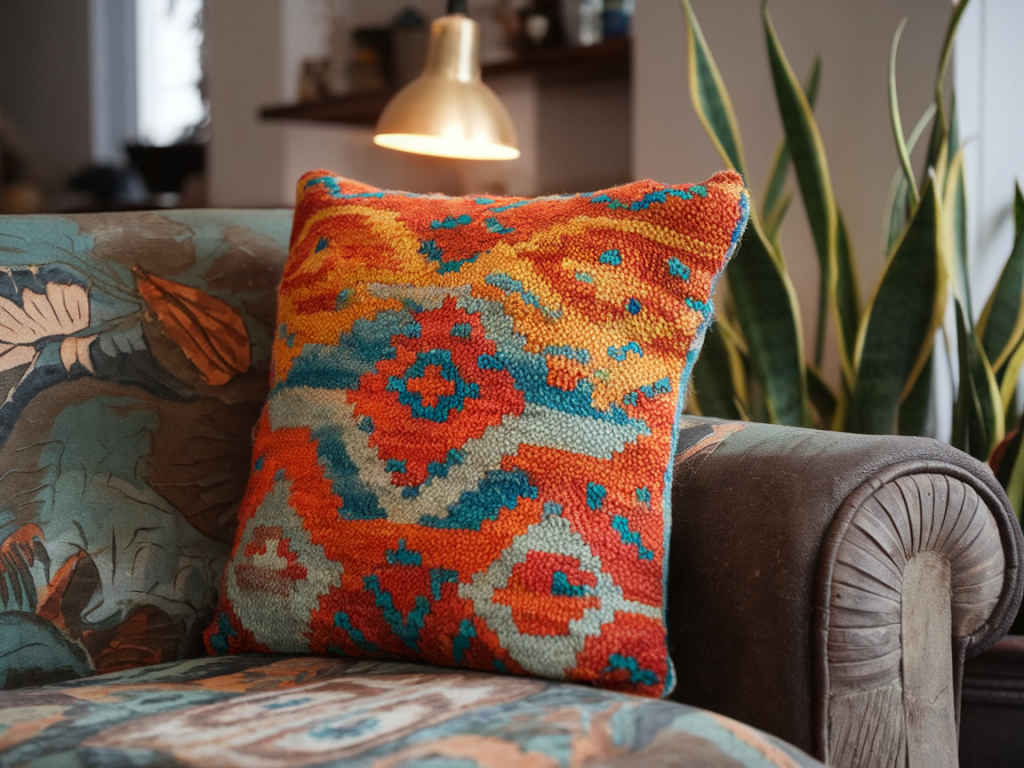
If you've ever come home to find your sofa arm looking like it's been through a wrestling match with your cat or dog, you're not alone. Pet wear — loose fibers, flattened cushions, and fabric worn shiny from repeated rubbing — can make a beautiful sofa look tired. Over the years I've found that a thoughtful mix of handwoven cushions not only conceals the damage but also elevates the whole sofa. Here I’ll walk you through how I hide a pet-worn sofa arm in three easy steps using Thukthaeshop cushions and a few styling tricks I love.
Why handwoven cushions work so well
Handwoven cushions have texture, depth and intentional imperfections that help disguise worn fabric. The weave catches the eye and creates visual interest, while the layers of cushions give volume and structure where the sofa has lost it. I favor cushions from Thukthaeshop because many are small-batch, with natural fibres and artisanal detailing that reads as both cozy and curated — perfect for camouflaging pet damage without looking like you’re trying to hide something.
What you’ll need
Before we jump into the steps, gather the following. You don't need much — just thoughtfully chosen pieces.
- 3–5 handwoven cushions in different sizes and textures (I mix a large lumbar, a medium square and a smaller accent cushion).
- A cushion cover with a zipper if you want to layer or swap covers quickly.
- A lightweight throw (optional) to tuck over the arm for extra coverage that looks intentional.
- Non-slip pads or double-sided fabric tape (for keeping cushions in place if your pet likes to rearrange them).
Step one — Build a foundation with a structured lumbar
Start with a firm, structured lumbar cushion positioned along the arm. The goal here is to replace the lost shape. I like a lumbar in a coarse handwoven fabric — think thick cotton or wool — because it provides form and immediately raises the arm’s profile.
Place the lumbar so it runs parallel to the armrest, with a slight overhang towards the seat to create a smooth line. If the arm is flattened, push the lumbar deeply against the back of the arm to recreate the natural slope. A linen-blend lumbar in a neutral tone works wonderfully because it blends with most sofas while adding texture.
Step two — Layer with a mix of textures and sizes
Layering is where the magic happens. Choose two or three cushions that contrast the lumbar but still harmonize in color.
- Use a medium square cushion in a looser weave to add softness and hide any stray threads or discoloration on the arm.
- Add a smaller accent cushion with pattern, embroidery or a fringed edge to draw attention away from the problem area. A patterned cushion placed slightly forward makes the arm a feature rather than a flaw.
- Consider a small, dense cushion (such as a kilim or woven stripe) that offers visual weight and prevents the arrangement from looking top-heavy.
Arrange these cushions in a layered cluster: lumbar at the back, medium square in the middle and the small accent at the front. Play with angles — a slightly askew cushion looks intentionally styled and helps obscure any remaining damage.
Step three — Finish with a throw and secure the look
A throw does two things: it visually unites the cushions and provides an extra layer of coverage. I drape a lightweight handloom throw over the arm, tucking one corner underneath the lumbar and letting the rest fall casually toward the seat. This method reads as relaxed and considered.
If your pet tends to move cushions, use a small non-slip pad between the cushion and the arm or a discreet piece of double-sided fabric tape. For homes with active pets, pick cushion fabrics that are sturdy and easy to clean — wool blends and tightly woven cottons resist snagging better than delicate loose weaves.
Quick styling tips I use every time
- Mix scales: Combine large, medium and small cushions so the eye sees variety not the sofa flaw.
- Keep a color story: Choose three coordinating colors — a base neutral, a mid-tone and an accent color — to make the arrangement cohesive.
- Texture is your friend: Pair nubby weaves, embroidered pieces and smooth linens for contrast.
- Rotate seasonally: Swap heavier wool cushions for lighter cottons in summer to keep the look fresh.
Care and maintenance
To keep this camouflage working and your cushions beautiful, follow these simple steps:
- Vacuum cushions regularly to remove hair and dust.
- Spot-clean spills immediately according to the cushion care label.
- Rotate and fluff cushions weekly to maintain shape and even wear.
- Keep a washable cover or spare cushion on hand for quick swaps after muddy paws or sudden accidents.
Product suggestions from Thukthaeshop
Here are a few items I often reach for when styling a pet-proofed sofa arm:
| Item | Why I like it | How I use it |
|---|---|---|
| Handwoven lumbar in neutral wool | Firm support and rich texture | Foundation to rebuild arm profile |
| Medium cotton square with loose weave | Softens the look and masks wear | Middle layer for depth |
| Small embroidered accent cushion | Attracts the eye with pattern | Front layer to distract from flaws |
| Handloom cotton throw | Light coverage and easy to wash | Drape for finish and protection |
What to avoid
Avoid piling on too many delicate or fluffy items that will attract pet hair and get flattened quickly. Also steer clear of very light-colored cushions if your pet sheds dark fur — instead, embrace mid-tones or patterned weaves that hide hair and scuffs.
With this three-step approach — foundation, layering, finishing — you can transform a pet-worn arm into a styled feature. It’s a small investment in cushions and a few minutes of arranging, and the result feels intentional, cozy and brand-new. If you’d like, I can suggest exact cushion combinations based on your sofa color and pet habits — just tell me the fabric and shape of your sofa and your pet’s size and routine.