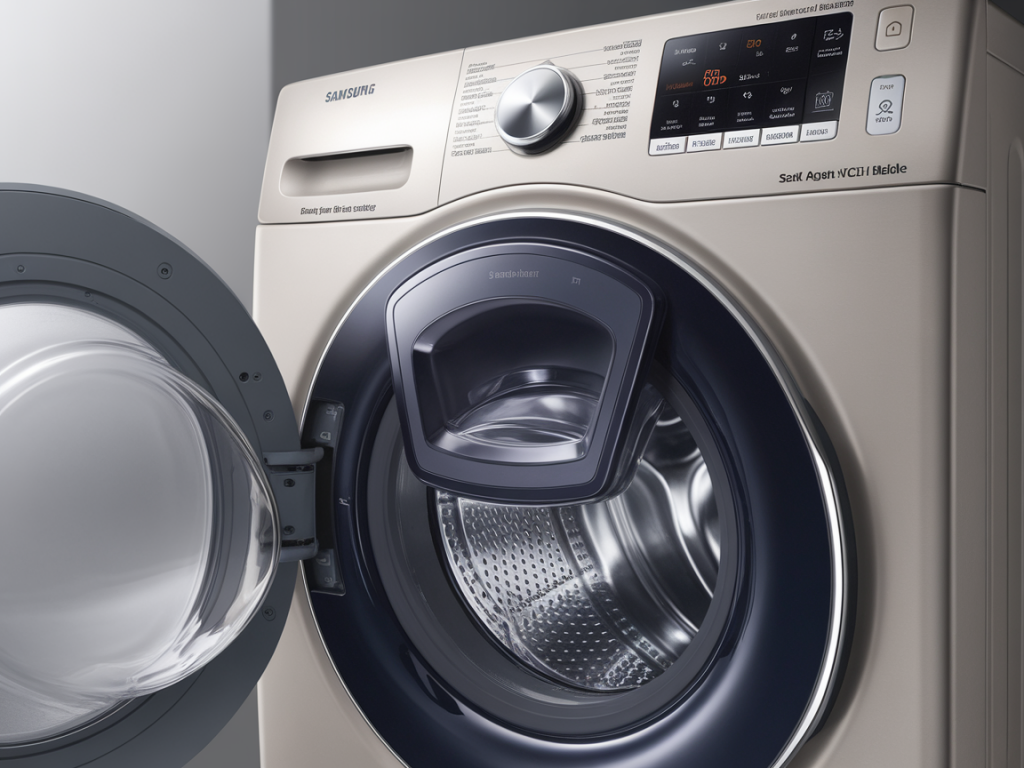
I’ve lived in small apartments, styled homes for clients and learned that the little appliances we take for granted can make a big difference in how a household runs. When it comes to laundry, I’ve become oddly fascinated by what a modern washing machine can do beyond a standard cotton wash. In this piece I explore the fonctions méconnues du lave-linge Samsung eco bubble — the hidden programs, neat shortcuts and maintenance tips that make the 8kg EcoBubble a smarter, more flexible appliance than most people realise.
Why these hidden functions matter for a home stylist
As someone who curates interiors and textiles, I care about fabric longevity, scent, and how appliances preserve the look and feel of textiles. The Samsung EcoBubble range is often praised for energy efficiency and gentle cleaning; but it also hides features that can keep linens, cushions and delicate garments in better shape and save time — precious for busy households.
Overview: what “EcoBubble” actually does
EcoBubble technology mixes detergent and air before the wash starts, creating a soapy foam that penetrates fabrics faster and at lower temperatures. Samsung claims this improves stain removal while reducing energy consumption — typically allowing effective washes at 20–30°C rather than 40–60°C. Independent testing (e.g. consumer reviews and manufacturer data) suggests potential energy savings of up to 50% on some cycles compared to traditional hot washes, depending on settings and load size (source: Samsung Support, consumer testing sites).
Hidden and lesser-known programs I test and use
- Bubble Soak: A soak phase that keeps fabric in bubbles for longer to loosen set-in stains — perfect for linens or tablecloths. It’s gentler than pre-treating with strong chemicals.
- Eco Drum Clean with reminder: A maintenance program that uses high-speed spins and water to remove residues; the machine can remind you to run it every 40 cycles to prevent odours.
- Rapid 15/30-minute options: Not all quick cycles are equal — EcoBubble’s rapid programs combine bubble action with shorter drum motion to deliver decent results for lightly soiled items.
- Allergy/Steam cycles: Some models include a Steam or Hygiene cycle that helps reduce allergens and bacteria — useful for bedding and baby clothes.
- Child protector / drum lock: A safety and control feature that disables certain buttons and locks the door during specific phases.
- Custom Program memory: Store combinations of temperature, spin speed and rinse options to avoid repetitive reprogramming.
Practical uses — how I actually use these functions
I’ll be honest: my favourite hidden tricks aren’t flashy, they’re practical.
- When I’m washing delicate linen napkins or embroidered cushion covers, I choose the Bubble Soak + low spin. The foam does the heavy lifting without aggressive tumbling.
- For lightly worn cashmere or silk scarves, I use a short cold bubble cycle and select a slow spin or "no spin" option to minimise stretching.
- To keep my workshop tea towels and kitchen cloths smelling fresh, I run the Eco Drum Clean monthly; it’s one simple step that prevents mildew build-up.
- After flea market textile finds (which can smell musty), I rely on the Steam/Hygiene mode when available — it’s surprisingly effective at reducing odour and dust mites.
Statistics and performance: what the data says
Here are some figures to put the features into perspective:
- Energy savings: EcoBubble claims up to 50% energy reduction compared with conventional hot washes by enabling effective cold washes (Samsung specification sheets).
- Time savings: Rapid cycles can cut wash time to as little as 15–30 minutes for small, lightly soiled loads.
- Maintenance reminder: Running the drum-clean cycle every 40–60 loads is recommended to avoid odours (as advised in many user manuals).
Sources: Samsung official documentation, appliance review sites and consumer reports (see sources list below).
Table — Quick reference for common fabrics
| Fabric | Recommended hidden function/setting | Why |
|---|---|---|
| Linen (tablecloths, napkins) | Bubble Soak + low spin | Removes food stains without damaging fibres |
| Delicates (silk, lace) | Quick cold bubble + no spin | Protects structure, avoids shrinkage |
| Wool / cashmere | Wool cycle / gentle bubble | Minimises felting and pilling |
| Bedding / baby items | Steam/Hygiene | Reduces allergens and bacteria |
Maintenance secrets and the smell fix
One of the most common complaints I hear from friends is “my machine smells.” The hidden answer is both a cycle and a habit:
- Run the Eco Drum Clean (or similar maintenance program) monthly — it uses hot water and high-speed spins to clear residues.
- Leave the door slightly ajar between washes to let the drum dry. Many owners forget this small step.
- Clean the gasket and detergent drawer regularly — residue builds up there first. A diluted vinegar solution or a recommended cleaner will do.
Advanced tips: hacks that respect the appliance
- Use the machine’s detergent recommendations — EcoBubble is designed to perform with low-sudsing detergents that create the right foam structure.
- For custom programmes: save a preferred temp-spin-rinse combo to avoid repetitive set-up. This is a time-saver if you alternate between delicates and linens.
- Combine presoak and rapid cycles for medium stains: presoak with Bubble Soak, then a short bubble wash — better than a long hot wash in many cases.
What to beware of — limits and common misconceptions
- EcoBubble isn’t magical — heavily soiled or oily stains may still need pre-treatment or higher temperatures.
- Not every model has the Steam/Hygiene or program-save features; check your specific 8kg model manual.
- Overusing high-temperature maintenance cycles wastes energy — follow the manufacturer’s schedule.
Resources and further reading
- Samsung official product pages and support — for model-specific manuals and specs.
- Which? consumer reviews — independent testing and practical pros/cons.
- Consumer Reports — broader appliance comparisons and energy use context.
- And the practical guide I linked earlier: fonctions méconnues du lave-linge Samsung eco bubble.
Frequently asked questions
Q: Can I run EcoBubble all the time to save energy?
A: You can use Bubble-based cycles for most lightly soiled laundry. For heavy grease or oil, a warmer wash may still be necessary. Balance energy goals with stain needs.
Q: Does the Steam/Hygiene cycle replace ironing?
A: It helps relax fibres and reduce bacterial load, but it won’t produce the crisp results of ironing. It’s great for refreshes and for bedding when you want a quick sanitary boost.
Q: How often should I run the drum-clean program?
A: Manufacturer guidance is generally every 40–60 cycles or monthly for frequent users. If you notice odour earlier, run it sooner.