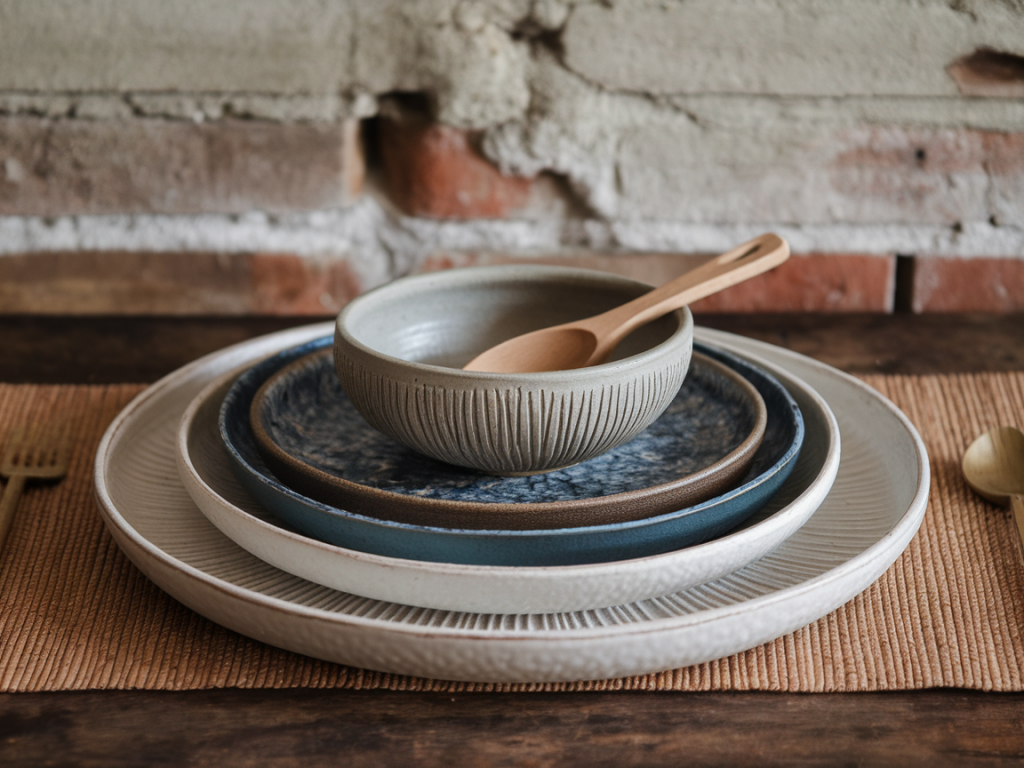
I love a layered tablescape because it feels like dressing a room for a special moment—each piece contributes texture, color and a bit of personality. When I style a table for four using Thukthaeshop’s mixed ceramics, I aim for harmony rather than matchiness: a collection of plates, bowls and serving pieces that speak to one another without being identical. Below I share my step-by-step approach, practical tips and little styling tricks that make a casual dinner feel considered and memorable.
Start with a mood and a palette
Before pulling anything out, I decide on the mood I want to create. Is it warm and rustic, fresh and modern, or soft and romantic? That mood dictates my palette. With mixed ceramics, I often choose one unifying color (for example, warm beige, soft grey or a muted blue) and add two accent tones. This gives the table cohesion while letting each ceramic piece keep its personality.
For a fall dinner with Thukthaeshop pieces, I might select a warm terracotta dinner plate, an off-white salad plate with subtle speckling and a deep green dipping bowl. For a spring brunch, I’ll lean toward cream, pale blue and a pop of ochre.
Layering order: the foundation matters
My basic layering order for four place settings:
I rarely force a charger into the mix unless the ceramics are particularly delicate or the meal calls for formal plating. Instead, I let a rustic ceramic dinner plate act as the anchor. Mixed ceramics look especially beautiful when the dinner plate and salad plate contrast in finish—matte versus glossy, or smooth versus gently textured.
How I arrange each place setting
Here’s the order I place items down when I’m styling for four, with practical spacing tips:
Mixing ceramics without clashing
Mixed ceramics can be tricky if each piece is visually loud, so I use three simple rules:
Styling shared pieces and servingware
Shared dishes should be accessible but not crowd the settings. I usually place larger serving bowls or platters on simple wooden or stone trivets to protect the table and add warmth. For a table of four, I recommend using one or two larger serving pieces paired with a few small dishes for sauces or garnishes.
When using Thukthaeshop’s mixed ceramics for serving, I like to:
Textiles and texture play
Textiles are my secret weapon for cozy layering. I often combine a linen tablecloth with napkins in a slightly different tone or weave. Cloth napkins folded simply—either casually draped or loosely tied with twine—add a relaxed, curated feel.
For chairs or the center of the table I sometimes add a runner in a contrasting texture: a chunky knit runner for winter, or a lightweight handwoven cotton for summer. Texture helps the ceramics stand out and prevents the setup from looking flat.
Centerpiece ideas that don’t compete
A central arrangement should enhance, not overpower, the ceramics. For a table of four I recommend low centerpieces.
Practical finishing touches
Before guests arrive I do a quick walk-around and check:
Layered tablescapes are about balance: arranging pieces so they breathe while still feeling curated. With mixed ceramics from Thukthaeshop, the joy comes from celebrating the unique marks of each item—those tiny imperfections that make a table feel lived-in and loved. Try one unexpected piece—a hand-thrown dipping bowl or an irregular rimmed plate—and you’ll see how quickly the whole setting comes alive.