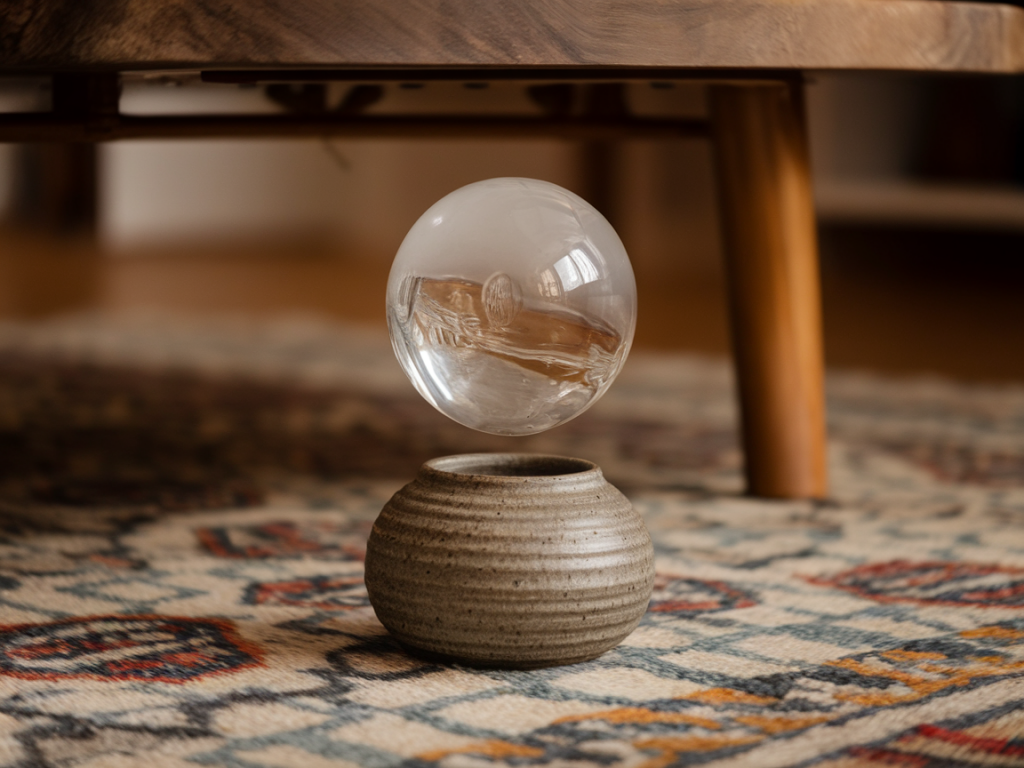
I love the small, deliberate rituals that make a house feel thoughtfully curated. One of my favourite places to practice that is the coffee table — it’s a surface that balances function and display, where everyday life meets beautiful objects. Over the years I’ve learned that pairing handblown glass with handcrafted ceramics creates an effortless, layered look that’s warm, tactile and interesting from every angle. Here’s how I style a coffee table using pieces from Thukthaeshop (https://www.thukthaeshop.com) and a few styling rules I always return to.
Start with a simple foundation
Before you add anything, look at the coffee table as a canvas. I consider three things: scale, shape and colour. A low, rectangular table takes different arrangements than a round or square one. If the table is visually heavy, I keep the base layer light — a slim tray, a woven mat or a stack of two books. These foundations help anchor smaller items like delicate glass vases without making the surface feel cluttered.
Mix heights and silhouettes
Layering is all about contrast. I bring together tall, sculptural handblown glass pieces with compact, robust ceramics to create a dynamic silhouette. For example:
Place the tallest piece off-centre and cluster lower pieces around it. The eye naturally moves across differing heights, which makes the arrangement read as curated rather than staged.
Play with textures and finishes
One of the joys of combining handblown glass and ceramics is the contrast between glossy and matte, translucent and opaque. I like pairing a translucent sea-glass vase with a stoneware plate in a satin-sanded finish — the glass allows light through, while the ceramic grounds the set. Consider these texture pairings:
These contrasts feel tactile and layered even when you keep the palette simple.
Choose a restrained colour palette
I usually work with two to three dominant colours and one accent. Neutrals like warm whites, olive greens, amber or soft blues work beautifully together and let craftsmanship take centre stage. For instance:
Limiting colours helps the table feel cohesive and calm, rather than busy.
Use negative space intentionally
White space matters. I resist filling every inch — the air between objects allows each piece to be seen and appreciated. When you place a handblown decanter, give it breathing room so the way light travels through the glass becomes part of the display. Negative space also stops the surface from feeling crowded when guests set down drinks or magazines.
Group in odd numbers
There’s a reason stylists love the rule of three: odd-numbered groupings are visually pleasing. Three objects of varying heights — for example, a tall glass vase, a mid-height ceramic cup and a low dish — create a rhythm. If your table is large, you can repeat this trio on opposite corners to maintain balance.
Bring in organic elements
Small stems, a sprig of eucalyptus, or a few dried blooms add life without dominating. I favour ephemeral botanicals in glass vases because the transparency highlights the stems and roots, adding a sculptural quality. Ceramics can hold dried elements or be left empty to show their form. Fresh florals are lovely but require more maintenance; dried stems offer longevity and texture.
Function meets beauty
The coffee table must be usable. I incorporate functional ceramics — a catchall bowl for keys, a ceramic coaster set, or a small lidded jar for remotes — so the beautiful pieces also perform. Handblown glass trays are practical for serving and doubling as reflective bases for candles or succulents.
Lighting and reflections
Glass is responsive to light. Position your coffee table near a window when possible, or angle a lamp so that the glass catches and diffuses light across the tabletop. Candlelight is another way to make handblown glass sing in the evening — flicker shows off bubbles, swirls and the depth of colour.
Layer with books and small art
Books are an instant layering tool. I like to stack one or two beautiful books and top them with a small ceramic or glass object. If you have a tiny framed print or a postcard, lean it against an object at the back of the stack to create depth. These little personal touches make the table feel like an edited vignette rather than a store display.
Maintenance tips for longevity
Handblown glass is durable but delicate in its own way. Clean glass with a gentle microfiber and warm soapy water, avoiding abrasive pads that can scratch. For ceramics, follow the maker’s advice — many are dishwasher-safe, but handwashing preserves glazes longer. When arranging on wood surfaces, use felt pads under heavier pieces to prevent scratches.
Sourcing pieces from Thukthaeshop
At Thukthaeshop (https://www.thukthaeshop.com) I curate selections that marry thoughtful design with practicality. Look for pieces labelled small-batch or handmade— they often have subtle irregularities that add character. When choosing, I read product descriptions to understand size and finish, and I often contact makers with questions about provenance or care — don’t hesitate to do the same; many artisans are happy to share stories about their techniques.
| Item | Styling role | Tip |
| Tall handblown bottle | Vertical anchor | Place off-centre and use single stem |
| Medium ceramic bowl | Functional + textural | Use for remotes, matches or potpourri |
| Shallow glass dish | Reflective low point | Use under candles or as trinket tray |
Styling a coffee table with handblown glass and handcrafted ceramics is a balancing act of form, texture and function. Keep the arrangement intentional, respect negative space and mix materials with a restrained palette. Most of all, choose pieces you love — when the objects tell a story, the table becomes a lived-in, layered focal point that invites conversation.