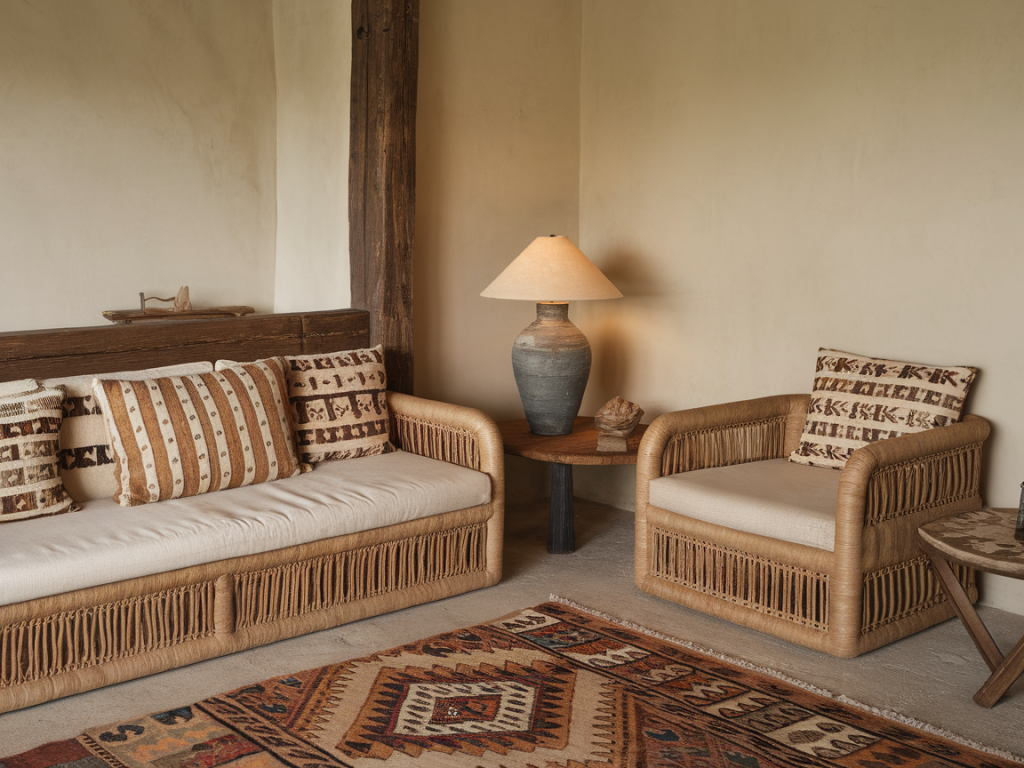
I often get asked how to look after the beautiful natural fiber textiles I source for Thukthaeshop — linen throws, handwoven cotton cushions, wool rugs, silk napkins. These pieces feel special because of their texture and the way they age, but that doesn't mean they can't stay looking fresh for years. Over time I’ve learned practical routines that keep natural fabrics soft, strong and true to color without treating them like museum pieces. Here are the methods I use and recommend, based on fiber type, everyday care and the occasional rescue mission.
Why natural fibers need specific care
Natural fibers such as linen, cotton, wool, silk, jute and hemp are breathable and forgiving, but they react differently to water, heat, agitation and light. For example, wool can felt and shrink with heat and agitation, silk is sensitive to alkaline detergents and sunlight, while linen and cotton become stronger when wet but can fade under harsh bleaching. Understanding the nature of each fiber helps you choose the right wash method and avoid common mistakes.
Everyday care: simple habits that make a big difference
These small routines prevent many problems before they start.
Shake and air out textiles regularly — cushions, throws and table linens benefit from an airing to remove dust and refresh fibers.Rotate cushions, rugs and bedding — this evens wear and sun exposure so colors and pile don’t wear in one spot.Use protective layers — placemats, coasters and a runner can protect delicate table linens; underlays help protect rugs from abrasion.Spot clean fast — the quicker you treat a spill, the less likely it is to set. Always blot, don’t rub.Washing: what I do for each fiber
I always check the care label if one is available, but here are my go-to approaches by fiber.
Linen: I usually hand wash or use a gentle machine cycle in cool to lukewarm water (30°C/86°F). Use a mild detergent like The Laundress Delicate Wash or a gentle eco-friendly brand. Avoid bleach — it weakens fibers. Linen softens with use, so a light tumble on low can make it more relaxed, but I prefer line drying to maintain texture.Cotton: Most cotton can take machine washing; I choose a cool to warm cycle for colored pieces and hot only for very dirty whites. Use color-safe detergent and avoid overloading the drum. Cotton can be ironed on a higher heat when damp to get crisp results.Wool: Wool is the trickiest. I hand wash in cool water with a wool-specific detergent (e.g., Eucalan or The Laundress Wool & Cashmere Shampoo) or use the machine’s wool/delicate program. No agitation, no hot water, and never tumble dry on heat. Lay flat to dry on a towel and reshape while damp.Silk: I prefer professional cleaning for delicate silk pieces, but for washable silk I use cold water and silk-friendly detergent, never bleach or fabric softener. Avoid wringing; roll in a towel to remove excess water and dry flat away from direct sun to prevent fading.Hemp and jute: These can be hand washed or spot cleaned. Jute rugs don’t like to stay wet; blot stains and let them dry quickly. For hemp, a gentle machine wash is often fine but check for dyes and trims first.Stain removal: targeted, gentle methods
Stain removal is part science, part timing. I always start with a spot test in an inconspicuous area.
Blot the spill immediately with a clean cloth; don’t rub.For protein stains (food, sweat): use cold water and a little enzyme-free detergent or a mix of cold water and a gentle dish soap. Enzyme-based cleaners can be used for cotton but avoid on wool and silk.For oil or grease: sprinkle cornstarch or baking soda to absorb, let sit, then brush off and treat with a gentle solvent-based cleaner if needed.For tannin stains (tea, coffee, wine): use cold water and mild detergent; for stubborn marks a dilute solution of white vinegar and water can help — test first.Drying and ironing: protect the fiber
How you dry and iron influences longevity.
Line drying preserves shape and prevents excessive heat damage; dry in the shade to avoid UV fading.Use low heat on tumble dryers when absolutely necessary, and remove items while slightly damp to reduce wrinkles and shrinkage.Iron on the appropriate heat setting with steam for linen and cotton; use a cloth between the iron and delicate silk or wool. For wool, steaming is often better than direct ironing to relax fibers without flattening texture.Storage: keep pests and moisture away
Proper storage matters for seasonal textiles.
Clean items before storing — dirt attracts moths and can set stains permanently.Use breathable cotton bags or boxes with acid-free tissue. Avoid plastic for long-term storage as it traps moisture and can cause mildew.Cedar blocks or lavender sachets naturally deter moths; replace or refresh them regularly. For valuable wool items I also use sealed boxes with silica gel packets to control humidity.Mending and extending the life
I encourage mending rather than replacing — small repairs are easy and sustainable.
Sew on loose buttons, reinforce seams with a matching thread, and use invisible mending for small holes.For visible repairs, embrace visible mending with contrasting thread or sashiko stitching — it becomes part of the story of the piece.When to call in a professional
For antique textiles, heavily soiled rugs, or sentimental pieces, professional cleaning is often worth the cost. Look for cleaners who specialize in natural fibers and can provide references. Always ask about their methods and insist on a spot test.
Quick reference table
| Fiber | Machine Wash? | Drying | Iron/Heat |
| Linen | Yes (gentle, cool/warm) | Line dry; low tumble ok | Medium-high iron when damp |
| Cotton | Yes (most types) | Line or tumble low | High iron |
| Wool | No (hand wash or wool cycle) | Lay flat to dry | Low iron or steam |
| Silk | Sometimes (cold, delicate) | Flat, shaded | Low iron with cloth |
| Jute/Hemp | Usually hand wash/spot | Quick dry, avoid soaking | Low to medium |
Products I trust
I use and recommend a few reliable products: a gentle concentrated detergent (The Laundress Delicate or Ecover Zero), Eucalan for wool, and a natural stain remover like OxiClean for robust cottons (always spot-test). For storage, linen bags and cedar blocks are staples in my studio.
Natural fibers reward gentle attention. A little preventative care, timely spot treatment and sensible storage will keep your linen, wool and silk pieces looking new longer while letting them gain the soft patina and personality that makes them so desirable. If you’re unsure about a particular piece you’ve bought from Thukthaeshop, send me a photo — I’m happy to suggest a safe cleaning or repair approach tailored to that item.