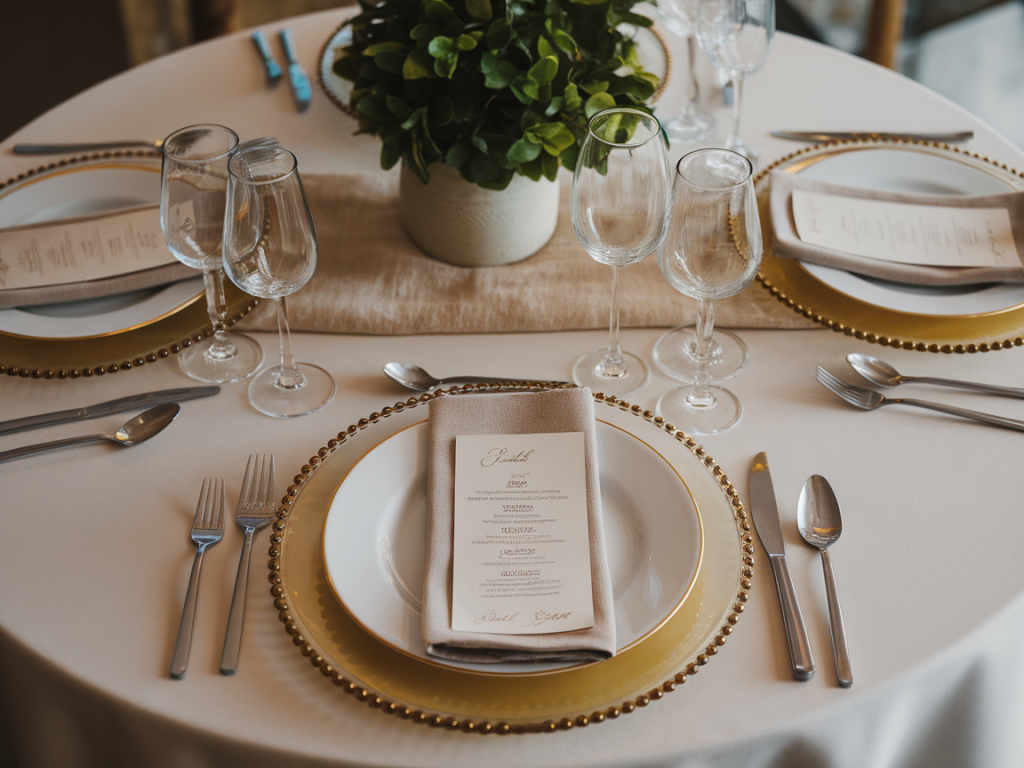
Setting a table feels to me like setting the mood for an evening — intimate dinners whisper, casual brunches laugh. Over the years I've learned that the right tableware does more than hold food: it frames the moment. Whether I'm hosting two close friends for a candlelit supper or a pillow-piled Sunday brunch, I choose pieces that make the meal feel deliberate, warm and suitably relaxed. Here are the practical, personal and slightly indulgent considerations I use when selecting tableware for those two very different kinds of gatherings.
Start with the mood you want to create
I always begin by imagining the atmosphere. For intimate dinners I aim for softness and focus — muted colours, tactile surfaces and shapes that draw the eye to the food and conversation. For casual brunches I lean into lightness and variety: brighter colours, playful patterns and stackable pieces that encourage mixing and matching.
Ask yourself: do you want the table to be a quiet backdrop or a focal point? Do you want guests to linger or to move freely? Your answers will guide material, scale and colour choices.
Think about size and scale
Plates and bowls that are too large can make a meal feel sparse; too small and they feel crowded. For intimate dinners I prefer a slightly smaller dinner plate (around 24–26 cm) because courses are often more composed and portion sizes moderate. For brunches where plates carry a wider variety — pancakes, salad, half an avocado — a 26–28 cm plate gives the right balance.
Also pay attention to rim width and bowl depth. A wide-rim plate gives an elegant presentation for a plated starter or dessert, while a deeper bowl is essential for runny eggs or granola with yogurt.
Choose materials based on use and aesthetics
Material choice affects durability, texture and how food looks. Below I summarise my favourite options and when I reach for them.
| Material | Best for | Notes |
|---|---|---|
| Stoneware | Everyday dinners & cosy brunches | Textured, warm, often dishwasher-safe; chips can show with heavy use |
| Porcelain | Elegant intimate dinners | Fine, light-reflective, often thinner; less forgiving if chipped |
| Earthenware | Casual, colourful brunches | Handmade feel, vibrant glazes; sometimes porous unless glazed |
| Melamine or bamboo composite | Outdoor brunches or picnic-style meals | Lightweight and unbreakable, but less refined |
| Glass | Minimal, modern tablescapes | Great for showing layered dishes; can feel cold |
Mixing and matching: a curated, not chaotic, approach
I love an eclectic table but there's a method to my madness. For intimate dinners I often pick one dominant set — a white porcelain dinner plate — and introduce personality with side plates, napkins and glassware that carry colour or pattern. This keeps the table cohesive and elevated.
For brunches I embrace diversity: a stack of different patterned plates, mismatched bowls and colourful mugs. To keep it harmonious, I stick to a limited palette (for example, terracotta, soft blue and cream) or a repeating texture like matte glazes. Think in layers: base plate, secondary plate or bowl, then cup. Repetition of one or two accent colours will unify without being matchy-matchy.
Texture and finish matter
Matte glazes feel modern and cosy; glossy finishes read more formal. I like matte stoneware for intimate dinners because it absorbs light, creating a soft backdrop that makes candlelight glow. For brunches, a glossy finish can cheerfully reflect morning light.
Beware of heavily textured surfaces if you want perfectly clean lines for plated food — ridged edges can distract from delicate sauces. Conversely, an irregular rim or handcrafted imperfections create a relaxed, intimate vibe.
Colour choices: neutrals vs. statement hues
Neutral palettes (white, cream, stone) are timeless for intimate dinners. They highlight the food and feel refined. I rely on them when I want the cuisine to be the star. Brands like Royal Doulton or simple white collections from Muji or IKEA are great starting points.
For casual brunches I try bolder colours or patterns: a vintage floral saucer, a hand-dipped blue bowl, or speckled plates from makers such as Heath Ceramics or local artisans. These bring energy to the table and invite a more relaxed attitude to plating and portioning.
Glassware and flatware: small details with big impact
For intimate dinners, I look for slim-stemmed wine glasses and a consistent flatware finish — matte gold or polished stainless steel can set the tone. For brunches, heavier, shorter glasses and a mix of spoons and forks in different finishes feel playful and unconstrained.
Consider comfort: does the handle of the fork sit well in your hand? Does the mug encourage lingering with a good weight and comfortable lip? These tactile details matter more than you might expect.
Durability and care — be realistic
Ask yourself how often you host and how much time you want to spend on maintenance. Porcelain may require more delicate handling; stoneware often tolerates oven-to-table use. If you love entertaining outdoors, invest in high-quality melamine or tempered glassware that can take accidental drops.
Check manufacturer instructions: many beautiful handmade pieces aren’t dishwasher-safe. I own a few handmade bowls I only use for special dinners because hand-washing feels like part of the ritual.
Setting for two: what I set out
For an intimate dinner for two I typically use:
I avoid over-layering. The fewer pieces on the table, the more attention goes to the food and your companion. A single striking plate from a maker like Jars Ceramics paired with linen napkins often feels enough.
Brunch setting: what I reach for
For an easy brunch where people serve themselves I like:
Brunch is forgiving — stacks of plates, a pitcher of coffee, and open jars of jam create a convivial scene. I often use enamel or hand-painted earthenware for that relaxed, homey vibe.
Budget-friendly tips that still look curated
You don’t need a full matching set. Buy a core of good-quality dinner plates and supplement with thrifted or artisan side plates. Look for sales on classic lines (Wedgwood, Denby) and reserve handmade pieces for accents. I often mix an affordable white dinner plate with artisan bowls or vintage glassware to achieve a layered, collected look without overspending.
Personal touches to make the table feel intimate
Small details make a big difference: handwritten place cards for two, sprigs of rosemary tied to napkins, or a small printed menu. I sometimes plate one shared starter on a single board at the centre of the table — it encourages interaction. Lighting is crucial: low, warm light for dinner; abundant natural light for brunch. Even the choice of music — quiet jazz for dinner, upbeat indie for brunch — complements the tableware choices.
Finally, remember functionality. Beautiful plates that frustrate you in the kitchen will end up unused. Choose pieces that make both your cooking and hosting easier, and you'll find yourself setting the table more often — and that's the point.