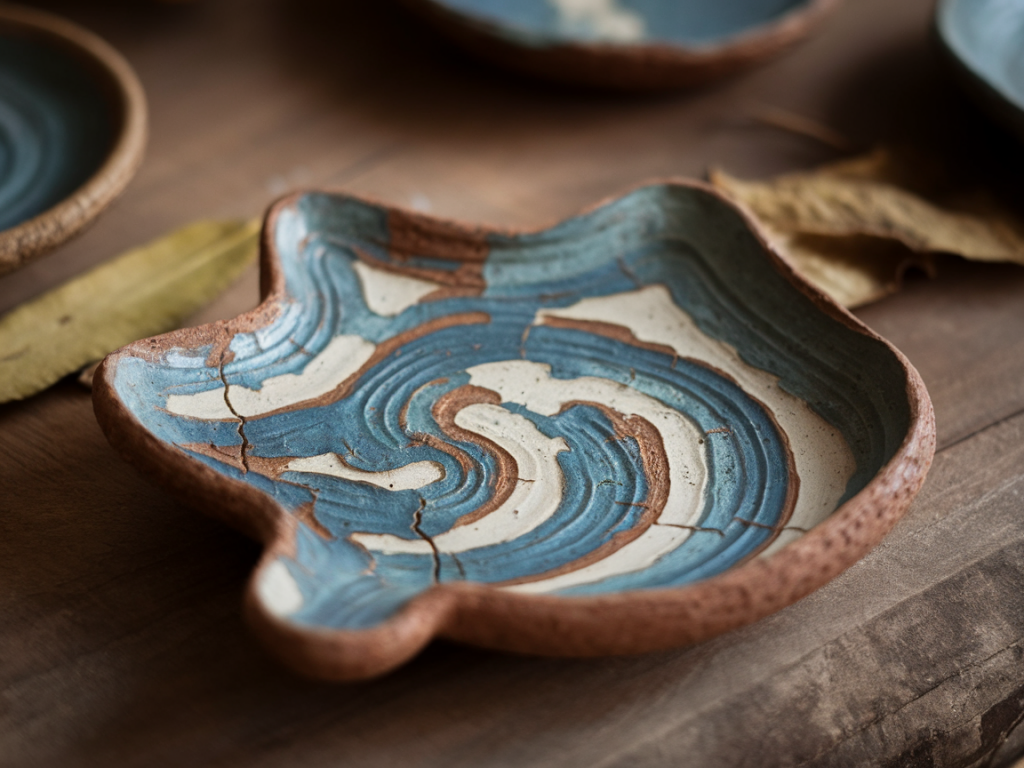
When I first started curating tableware for Thukthaeshop, I quickly realized that handcrafted ceramics are as much about story and touch as they are about function. I still remember the first time I held a small stoneware bowl from a studio in Portugal: the weight in my hands, the tiny irregularity at the rim, the way the glaze pooled differently where the potter’s thumb had pressed. Those details tell you something important — about process, about the maker, and about how that piece will live in your home. Below I share practical things I look for in handcrafted ceramics before I buy, so you can feel confident choosing pieces that will bring everyday beauty and lasting value to your table.
Material and clay body
The clay itself determines a lot: durability, color, firing temperature, and the final mouthfeel for items like mugs and bowls. Common clay bodies include earthenware, stoneware, and porcelain, each with different characteristics.
Earthenware: Typically fired at lower temperatures and often more porous unless glazed. It has a warm, rustic look. Great for decorative pieces and casual use, but can be less chip-resistant.Stoneware: Fired at higher temperatures and more durable. Many of my favorite everyday plates and bowls are stoneware — they strike a lovely balance between robustness and expressive glazing.Porcelain: Fine, often translucent when thin, and usually fired at very high temperatures. Porcelain can feel elegant and refined, ideal for dinner plates or delicate cups.When shopping, I read product descriptions closely and, if possible, ask the maker which clay they used. If the listing doesn’t specify, it’s reasonable to message the seller — small studios are usually happy to share details.
Glaze and finish
Glaze is where a lot of the personality comes from, but it also affects function. I look for three things: visual quality, texture, and safety.
Visual quality: Is the glaze even? Do you like the way it reacts to light and shows texture? Some glazes have deliberate drips, speckles, or crazing — these are design choices, not flaws, but make sure you appreciate them.Texture: Smooth, glossy glazes feel different from matte or satin finishes. For mugs, I prefer a glaze that’s comfortable to the touch and not too slippery when wet.Food safety: Always check that the glaze is food-safe and lead-free. Reputable makers state this clearly; if they don’t, ask. This matters especially for items that will hold acidic foods or liquids.Functionality: what you’ll actually use it for
I buy ceramics with purpose. A statement platter that ends up in the cupboard is a missed opportunity, so I match the piece to real-life needs.
Size and proportion: Consider how pieces will stack and fit in your cabinets. A beautiful oversized bowl is only useful if you have a place to store it.Microwave, oven and dishwasher safety: Many handcrafted items are dishwasher-safe, but not all. If you plan to reheat food in ceramic dishes, check thermal shock resistance. Some stoneware tolerates oven use; earthenware may not.Weight and balance: Heavier pieces can feel luxurious but may not be comfortable for everyday use. Check the handle balance on mugs — a well-placed thumb rest makes a big difference.Craftsmanship and signs of quality
There are subtle cues that reveal a maker’s skill. When I examine a piece — in person or through detailed photos — I look for:
Even thickness: Walls should be relatively uniform, especially on drinking vessels. Very thin spots can indicate rushed throwing or weak structure.Clean foot and base: A neatly trimmed foot ring and a smooth base that sits flat indicate attention to detail. Rough or unstable bases can scratch surfaces or wobble on the table.Glaze application control: Look at the rim, foot, and inside. Where glaze stops, the edge should be intentional. Drips or bubbles can happen, but consistent bubbling or pinholes across a line often points to kiln or glaze formulation issues.Maker provenance and techniques
I’m drawn to makers with a clear voice and transparent process. Knowing where a piece comes from and how it was made enriches the object’s meaning in my home.
Studio location and story: Many makers share a short biography or photos of their studio. I love seeing hands at work, the kiln, and test tiles — they connect me to the piece.Technique: Wheel-thrown, slab-built, or press-molded pieces each have different aesthetics. Wheel-thrown items often show subtle rings from the potter’s hand; slab-built work can be more architectural.Limited runs: Small-batch or numbered series increase a piece’s uniqueness. I’ll splurge more readily on limited editions because I know I’m bringing home something special.Color consistency and matching sets
If you’re buying a set, color consistency is crucial. Handmade items naturally vary, but I prefer variations within a coherent palette.
Sample photos: Ask for photos of multiple pieces from the same batch so you can judge how much variation to expect.Mix-and-match philosophy: I personally love pairing slightly different glaze tones for a lived-in look. But if you want a uniform table, request pieces from the same firing or glaze overlay.Price, value and repairability
Handcrafted ceramics often cost more than mass-produced alternatives — and for good reasons: time, materials, expertise. I think of price in terms of long-term value.
Cost vs. longevity: A well-made stoneware piece can last for decades. Paying more for something you’ll use daily makes sense.Repair options: Ask whether the maker offers repair services or if pieces can be mended with kintsugi-style repairs. Some studios will re-glaze or fix chips for a fee.Resale or heirloom potential: Limited edition or signature series by respected makers might retain value or become cherished heirlooms.Practical checklist before buying
Here’s a quick list I use before adding ceramics to the cart. It helps me avoid impulse buys that don’t fit my home life:
Read the product description for clay body and firing temperature.Check for food-safe and lead-free glazing statements.Look at multiple photos (base, rim, close-ups) and ask for more if needed.Confirm size and weight, and visualize storage and stacking.Ask about microwave, oven, and dishwasher safety if those matter to you.Verify lead time — many handcrafted pieces ship in batches and can take weeks. | Feature | Earthenware | Stoneware | Porcelain |
| Durability | Moderate | High | High (but can chip) |
| Look | Rustic, warm | Versatile, tactile | Delicate, refined |
| Common uses | Decorative bowls, planters | Everyday plates, mugs | Fine dining, teacups |
Finally, trust your instincts. If a piece makes you smile every time you see it, that’s a powerful reason to buy. At Thukthaeshop I select ceramics that feel honest and livable — pieces that tell a maker’s story while making daily rituals more beautiful. If you ever want a second opinion on a piece you’re considering, send me a photo — I love helping people choose the right handmade treasures for their homes.