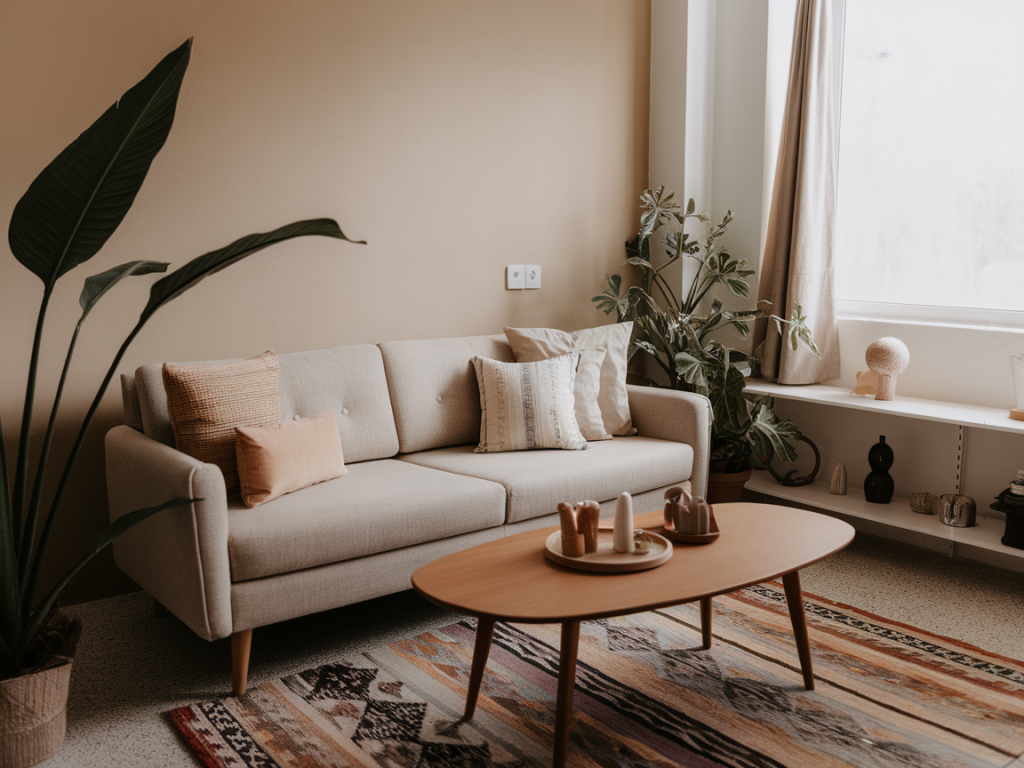
I often get asked how to make a small living room feel effortlessly warm, curated and roomy at the same time. My go-to answer is always the same: layered textiles. Textiles are one of the most powerful tools for adding depth, softness and personality without changing the footprint of a room. In this post I’ll walk you through practical ways to style a small living room using pieces from Thukthaeshop (https://www.thukthaeshop.com) and share the styling rules I actually use when I’m putting a space together for clients or for my own home.
Why textiles matter in a small living room
Textiles do a few important jobs at once: they absorb sound, soften hard edges, add pattern and color, and create a sense of layered warmth that makes a compact space feel considered rather than cramped. They give you scale and texture without taking up square meters — perfect when floor space is precious. I always think of textiles as the “bones’ accessories”: small changes can refresh the whole room.
Start with a clear palette and a primary textile
Before you buy anything, decide on a simple palette of two to three base colors plus one accent. For small rooms I usually recommend keeping the base colors light and cohesive to maximize the sense of space — think warm neutrals, soft greys, or muted terracotta — and then add an accent in a richer tone (deep green, indigo or ochre). Choose a primary textile that anchors the scheme: a rug or a large throw that sets the tone for the rest of your layers.
- Pick a rug with a low- to mid-pile for small rooms (it keeps the visual plane calmer).
- If you prefer a lighter rug, add weight with layered throws and cushions in darker or textured fabrics.
- At Thukthaeshop I often pair handwoven rugs with tactile cotton-linen throws and wool cushions for balance.
Layering cushions: mix scale, texture and pattern
Cushions are perhaps the easiest way to experiment. I usually style a sofa with 3–5 cushions, mixing sizes (50x50cm, 40x60cm, 30x50cm), materials and patterns. The trick is to create contrast without chaos:
- Start with a foundation cushion in a solid colour that matches your palette.
- Add a textured cushion (wool, boucle or linen) to introduce tactile interest.
- Finish with one patterned piece — a subtle stripe, geometric or artisanal ikat — as the focal accent.
For a small living room, keep the overall scale of patterns modest; large-scale prints can overwhelm. I love cushions in hand-dyed linen and small-batch woven covers that you'll find on Thukthaeshop — they feel special without shouting for attention.
Throws: drape them, don’t fold them
Throws add an immediate lived-in, layered look. The way you place them matters: a casually draped throw across the arm or back of a sofa reads as inviting, while a perfectly folded blanket can look too formal. For a small room, use throws strategically — one large throw on the sofa and a smaller one on an occasional chair. Opt for different textures: a chunky knit on top of a smooth linen throw creates dimension.
Use rugs to define zones (and visually expand)
In a compact living area, a rug does more than sit under furniture: it defines the conversational zone. Choose a size that allows at least the front legs of seating to sit on the rug — this anchors the arrangement and gives the illusion of a larger, cohesive zone. Lighter rugs with subtle patterns can make the room feel more spacious; darker rugs can create intimacy but use them sparingly.
If your sofa is up against a wall, use a runner or narrow rug in front to elongate the room visually. Layering a smaller patterned rug on top of a larger neutral one can add contrast and protect high-traffic spots.
Textiles on walls and windows: think vertical layers
Adding fabric vertically helps draw the eye upward and can make ceilings feel higher. Consider:
- Light, flowing curtains hung close to the ceiling — they lengthen the wall.
- A textile wall hanging or woven panel to introduce pattern without cluttering surfaces.
- A slim, fabric-covered notice board or framed textile swatch as art.
Sheer curtains are a small-room favourite because they filter light while keeping things airy. For privacy without heaviness, pair a sheer layer with a heavier drape that you can pull when needed.
Mix natural fibres for a layered, authentic look
Natural fibres — linen, cotton, wool, jute — bring warmth and age beautifully. I try to combine two or three different fibres in a small room so each surface reads differently: linen cushions, a wool throw, and a jute rug. These materials reflect light differently and add subtle depth; they also tend to be more forgiving in everyday life.
Balance pattern and calm
If you love pattern, choose one dominant pattern and support it with solids and textured neutrals. For example, a patterned rug can be paired with plain linen cushions and a single patterned cushion that pulls a colour from the rug. Too many competing patterns in a small space will make it feel busy.
Practical tips for real life
- Rotate cushions and throws seasonally: lighter linens in summer, wool and knits in winter.
- Use removable cushion covers for easy washing — small rooms need to look fresh.
- Keep a small basket for extra throws so they’re tidy but within reach.
- Invest in multi-purpose textiles: a decorative throw can double as a picnic blanket or bedside blanket.
Styling examples I love
Here are a few combinations I’ve used that work consistently in small living rooms:
- Neutral linen sofa + handwoven neutral rug + ochre wool cushion + cream boucle cushion + soft indigo patterned cushion for a hint of colour.
- Muted grey base + textured charcoal rug + layered throws (linen under, knit on top) + two warm terracotta cushions for contrast.
- Light jute rug + low-pile patterned rug centrally + 4 cushions mixing natural linen, soft velvet and small-scale stripes for a layered, collected look.
Where to find pieces that make a difference
At Thukthaeshop I curate small-batch, often handmade textiles that lend personality to small spaces. Look for artisanal throws, hand-dyed linens and crafted cushion covers — pieces with subtle imperfections feel more lived-in and original than mass-produced alternatives. When possible, choose natural fibres for longevity and tactile warmth.
If you want help selecting items for your small living room, send me a photo and a brief description of your space via the contact page on https://www.thukthaeshop.com. I enjoy matching finds to personal styles and suggesting a layered textile plan tailored to your room.