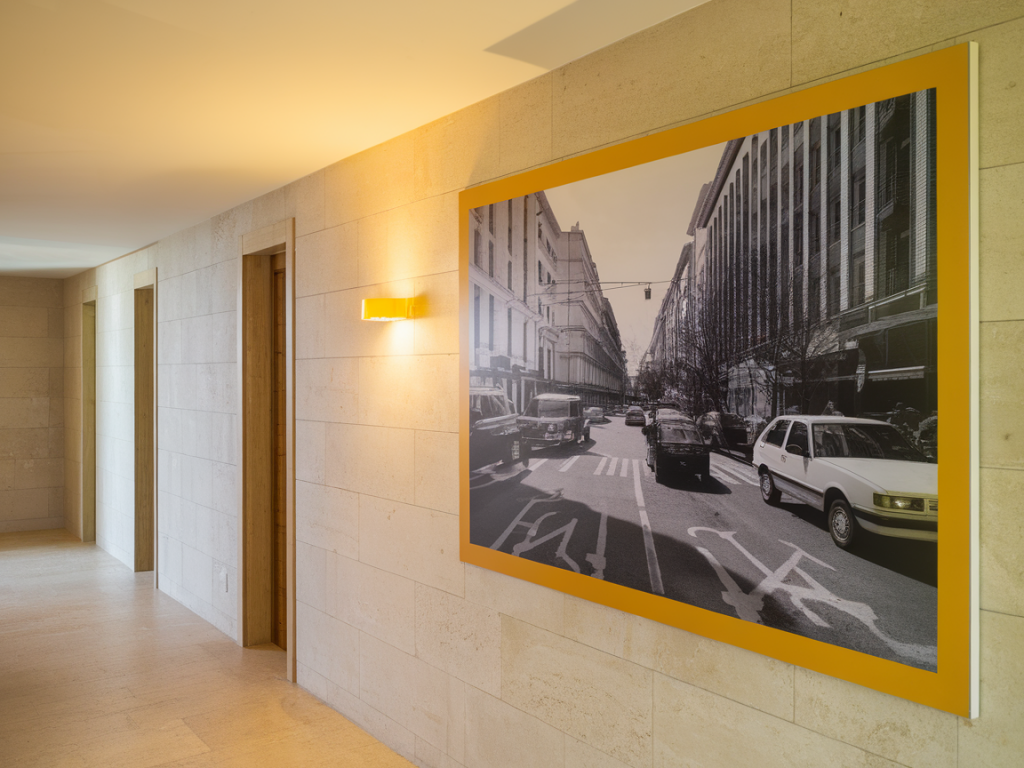
Hallways are the unsung heroes of a home — narrow corridors that connect rooms, catch first impressions, and often suffer from neglect. Over the years I’ve learned that you don’t need a full renovation to make a hallway feel intentional. With a few carefully chosen lighting fixtures and the right wall art, you can turn a bland passage into a warm, stylish transition that sets the tone for the rest of your home. Here are small, practical changes that always punch above their weight.
Why lighting and wall art matter more than you think
Lighting defines how we perceive space. In a hallway, the right light can make a low-ceilinged corridor feel taller, a narrow hall feel wider, and a dim route into a cozy, welcoming path. Wall art gives the space personality and rhythm — it guides the eye, tells a story and offers texture against flat paint. Together they create atmosphere; they’re the two quickest levers to pull when you want immediate impact without structural work.
Start with the light plan
Before buying anything, I always stand in the hallway at different times of day and night. Note where shadows fall, which ends feel darker, and how the light behaves near doors and stairways. From that simple observation I decide whether to layer ambient, accent, and task lighting.
My go-to trick is to mix a low, warm ambient light with focused spotlights on artwork. Use warm bulbs (2700–3000K) and aim for CRI 90+ if possible, so colors in paintings and textiles remain true. I often mention brands like Flos or Muuto for sculptural ambient fixtures, and smaller artisan sconces for a unique touch — many of those can be found alongside curated finds on Thukthaeshop (https://www.thukthaeshop.com).
Small electrical updates that make a big difference
If you can, add a dimmer switch — it’s the cheapest upgrade with the most noticeable effect. Motion sensors are another small change I recommend for families: they’re practical and add a gentle, welcoming “hello” when someone passes through. If rewiring is off the table, swap bulbs for warmer, lower-lumen versions and add plug-in picture lights or battery-powered LED strips behind a console or shelf.
Choose wall art that creates rhythm
When I curate a hallway, I think in sequences rather than single statements. A series of small works can be more impactful than one large piece because the eye moves along the corridor, discovering one image after another.
I love sourcing limited-run prints and handmade art for hallways because they feel intimate — you’re not competing with mass-market imagery. On Thukthaeshop I often include small framed works and hand-pulled prints that are perfect for these sequences; the provenance adds a story to the corridor that guests notice.
Composition tips that save time
Here are quick rules I use when hanging art in corridors:
Use lighting to highlight the art
Once the art is up, position lights to avoid glare. If you have glossy prints or glass frames, angle adjustable spotlights or picture lights slightly downward so the light washes the piece without reflecting back. For textured textiles, side-lighting brings out weave and depth.
Small furniture and accessory ideas
A hallway often benefits from a single practical piece: a narrow console table, a slim bench, or a floating shelf. Keep it simple so the path remains clear, but choose a material that complements the lights and art — brass fittings pick up warm bulbs, while matte black hardware reads modern with sculptural sconces.
Lighting and art on a budget
You don’t have to spend a fortune. Swap heavy overhead lights for plug-in sconces, shop smaller prints or limited edition photographs, and DIY frames using thrifted moulding. Even battery-powered LED picture lights look surprisingly polished when paired with a framed print. I often recommend hunting for artisan pieces on small boutiques like Thukthaeshop where many items are affordable yet unique.
Last-minute staging tips before guests arrive
Dim the main lights slightly and switch on accent or picture lights for an instant atmosphere lift. Add a scented candle on a console (safely) and make sure the runner is straight — small details matter. The hallway is the first thing people move through; with a little attention to light and art, it can feel like a warm invitation rather than a pass-through.
| Problem | Quick fix |
| Hallway too dark | Add warm LED wall sconces or plug-in picture lights; use mirrors to reflect light |
| Art looks flat | Install directional accent lighting or side-light to reveal texture |
| Space feels cluttered | Choose one statement piece and reduce accessory volume; use slim furniture |
If you’re looking for specific fixtures or one-of-a-kind prints for your hallway, I’ve curated selections at Thukthaeshop (https://www.thukthaeshop.com) that work well in narrow spaces — from handcrafted sconces to limited-run wall art. If you want, tell me about your hallway (dimensions, ceiling height, style) and I’ll suggest a few combinations that will transform it without a full redesign.