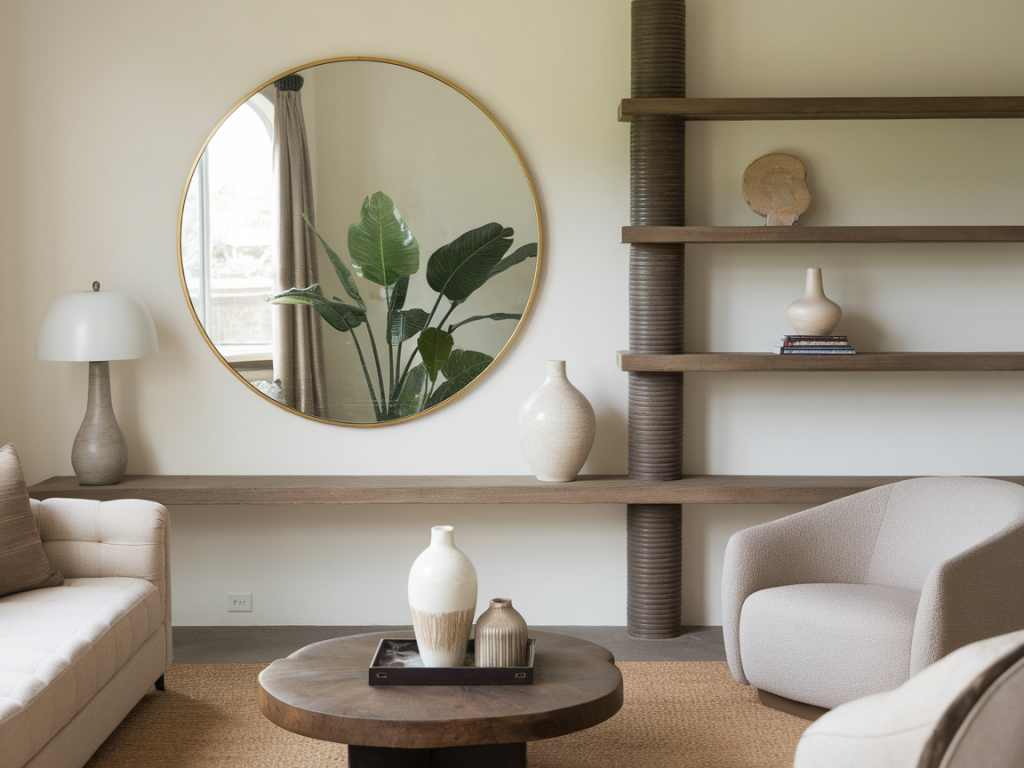
I often get asked how I find those one-of-a-kind décor pieces that feel personal, practical and still a little unexpected. Over the years of curating for Thukthaeshop I’ve developed a few habits and shortcuts that consistently lead me to objects that elevate everyday living — not because they’re expensive, but because they tell a story, mix beautifully with existing pieces, and make daily routines feel considered.
Start with questions, not aesthetics
Before I hunt for a specific item I ask simple questions: What will this piece do? Where will it live? Who will use it? That may sound basic, but many mistakes I see come from buying based on style alone. A sculptural vase is wonderful — until it’s too narrow for fresh stems you love. A beautiful tray that’s too big for your coffee table only becomes clutter.
Answering practical questions first narrows the search and helps you spot objects that are both distinctive and livable. Ask yourself:
- Do I need durability (daily use) or display-only?
- Does the scale fit my space and other pieces?
- Will it work with more than one room or one look?
Where I look for truly original pieces
There are several reliable sources I return to. Each has pros and cons, and I choose based on how rare or practical I want the find to be.
- Small studios and independent makers — I collaborate with artisans across Europe and beyond. These makers often produce limited runs or unique variations. Their work tends to be highest in character because imperfections and technique are visible. For example, a hand-thrown ceramic bowl from a small studio will patina differently and tell a story over time.
- Local markets and fairs — I never underestimate the value of a weekend market. You’ll find one-off textiles, vintage trays, or handmade candles — and the stallholder often has background about the maker. These conversations lead to future discoveries.
- Architectural salvage and vintage shops — For pieces with history, salvage stores and flea markets are gold mines. A brass doorknob or an antique mirror frame repurposed as wall art injects authenticity.
- Curation-forward boutiques (like Thukthaeshop) — When you don’t have time to hunt, a thoughtfully curated shop saves time. I choose pieces for their balance of craft, story and usability so you find rarities without the research.
- Collaborations and limited drops — Follow designers and small brands that do capsule drops (e.g., handwoven throws from a maker in Portugal). Signing up for newsletters means you’ll see limited pieces before they sell out.
How I evaluate quality and provenance
Not every “unique” object is worth bringing home. I look at three practical signals:
- Materials and construction — Is the textile hand-loomed? Does the brass feel solid? A quick look at seams, glazes and joinery tells you whether the item will age well.
- Maker story — I love knowing who made an item and how. A label or short maker bio that mentions techniques or origin increases the piece’s meaning.
- Function tested — I often test items before listing them: is a lamp too dim? Does a cushion maintain shape? Practical testing avoids returns and frustration later.
Mixing one-off pieces into an everyday home
Once you have several unique finds, the challenge is making them look intentional, not cluttered. I use a few styling rules:
- Limit the conversation starters — Let one or two pieces be the focal points, and support them with quieter items in similar tones or textures.
- Repeat a color or material — A bronze bowl, brass candlestick and a woven cushion in warm tones will read as a set even if each piece is different.
- Use height and grouping — Group items in odd numbers (three often works) and vary heights to create rhythm on a shelf or table.
- Leave breathing room — One special object displayed on its own often makes a stronger statement than a crowded vignette.
Budget-friendly ways to find unique pieces
Unique doesn’t have to mean expensive. Here are tactics I use when working to a strict budget:
- Buy smaller, impactful items — A handmade napkin ring, ceramic mug or a small print can change the feeling of a room without a big outlay.
- Shop for seconds or imperfects — Many makers sell slightly irregular pieces at reduced prices. Those quirks are part of the charm.
- Mix vintage and new — Pairing an affordable modern cushion with a thrifted lamp creates depth for less.
- DIY simple refinishing — A coat of milk paint on an old frame or swapping hardware can modernize a vintage find inexpensively.
Questions people frequently ask me
How do I avoid pieces that feel trendy and soon dated? I choose objects with timeless materials (stone, linen, brass, wood) and simple proportions. Trends can be introduced via small, inexpensive accessories rather than the main furniture.
How do I know if a handmade piece is worth the price? Look at time-intensive details (hand-stitching, hand-thrown marks, hand-finished joins). These indicate labour and skill. Compare similar pieces and ask the maker about processes and time required.
Can one-of-a-kind items work in a rented home? Absolutely. I suggest portable pieces (textiles, wall art, lighting that plugs in) rather than fixed fittings. A striking rug, throw or ceramic lamp can personalize a rental without permanent changes.
Quick comparison to help you decide where to buy
| Source | Best for | Consideration |
|---|---|---|
| Independent makers | Unique, handcrafted items | Limited stock, higher lead-times |
| Local markets | Affordable one-offs, chance finds | Requires time and luck |
| Vintage/salvage | Objects with history | Condition may need restoration |
| Curated boutiques | Convenience and vetted quality | Less surprise element |
Finding one-of-a-kind décor is as much about curiosity and patience as it is about taste. I love the hunt — reaching out to makers, visiting markets and testing objects — but I also believe in practical choices that make everyday living better. When a piece is both useful and full of character, it becomes part of daily rituals: the bowl you reach for every morning, the lamp that makes evenings softer, the print that catches your eye on a slow afternoon. Those are the finds that truly elevate a home.